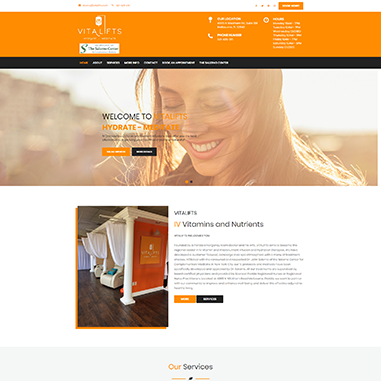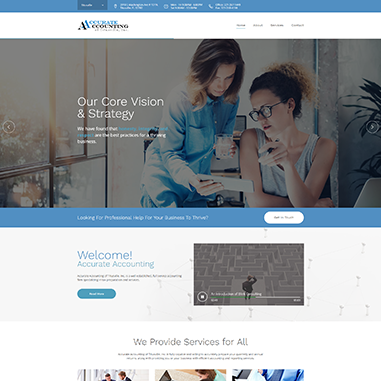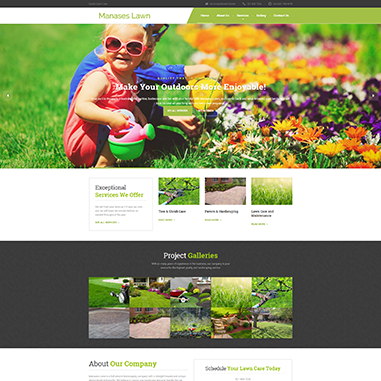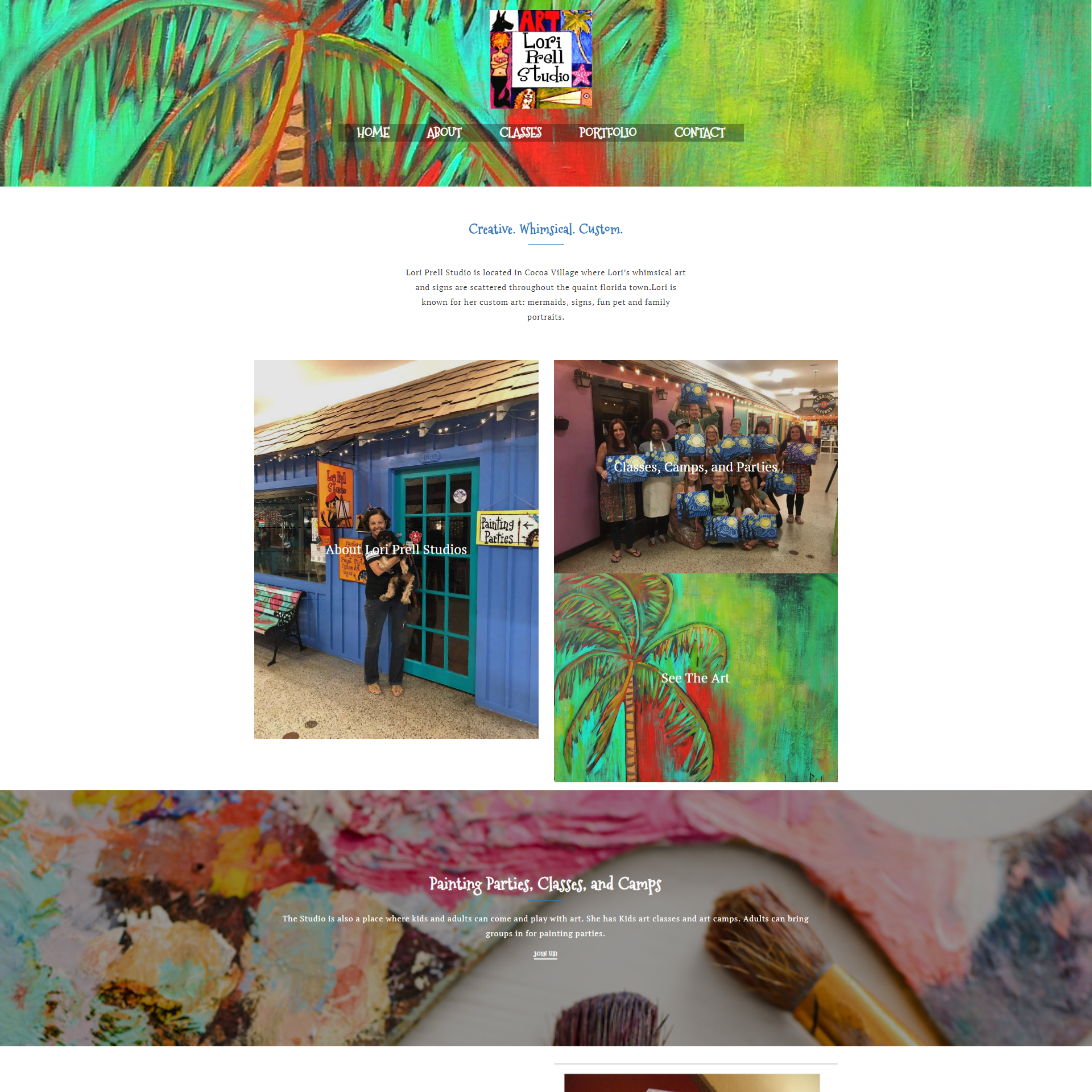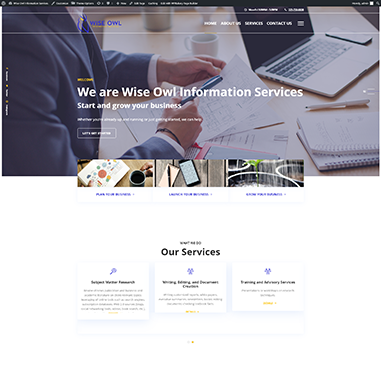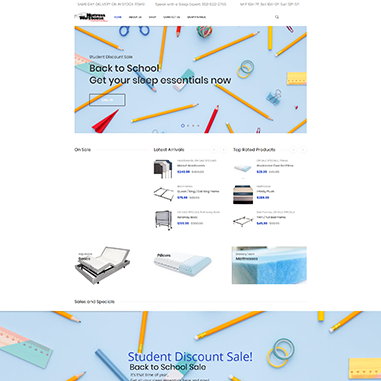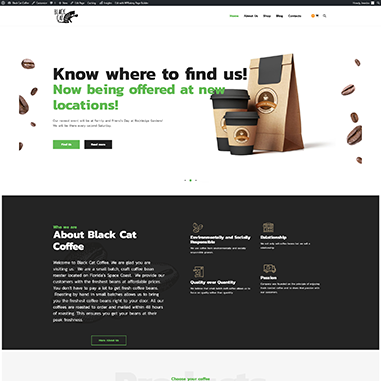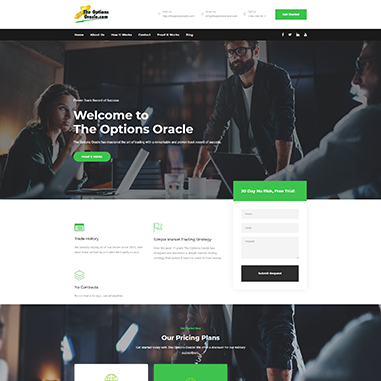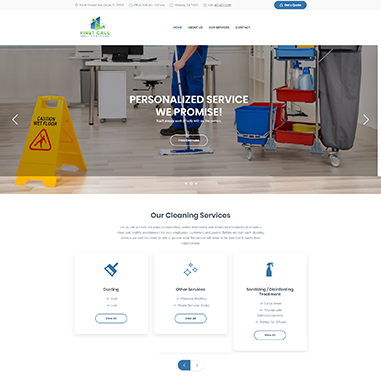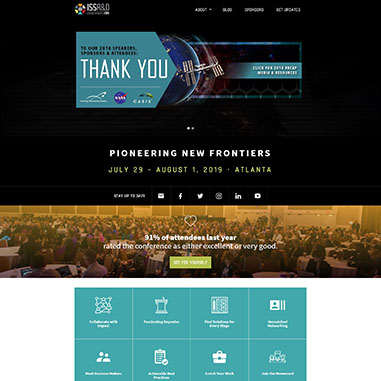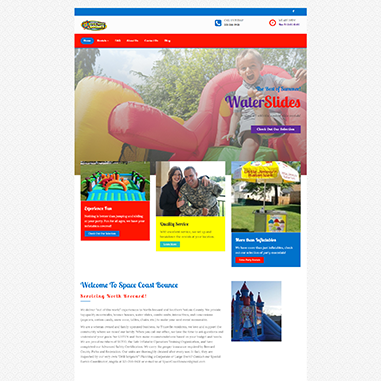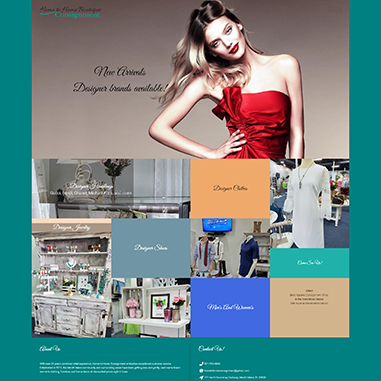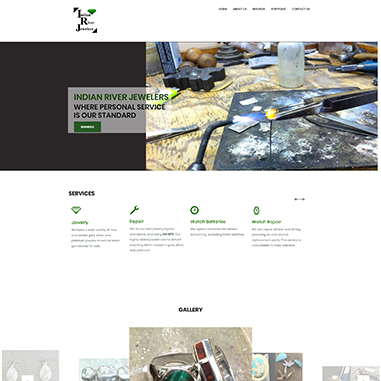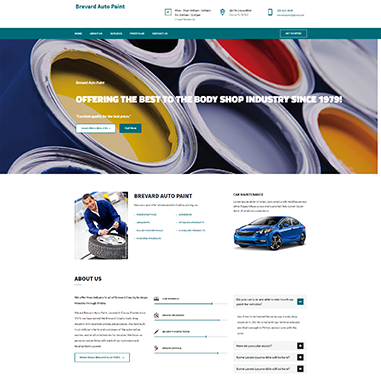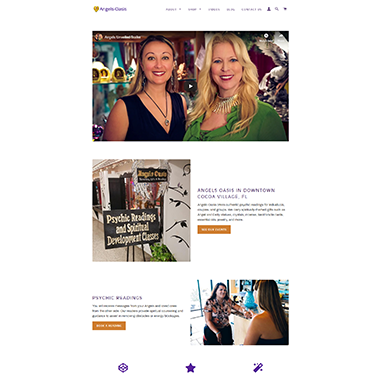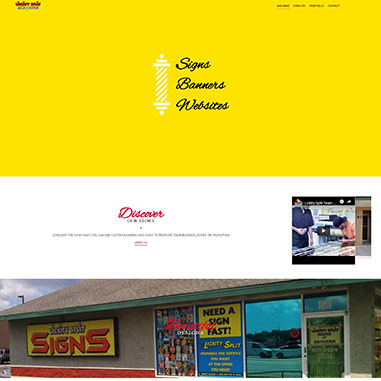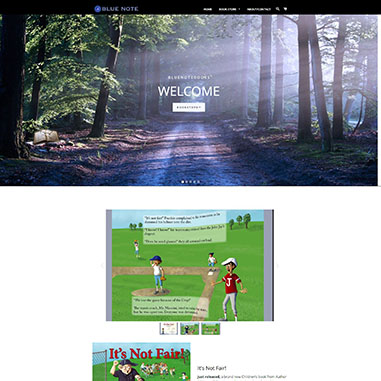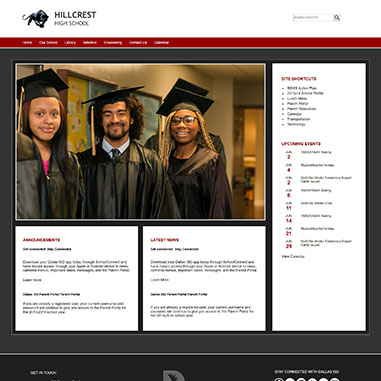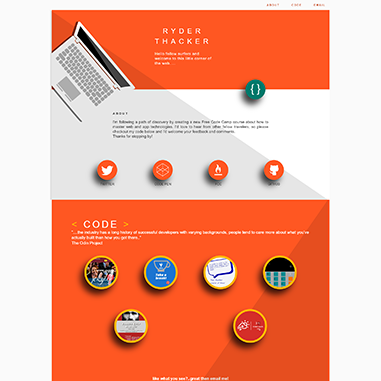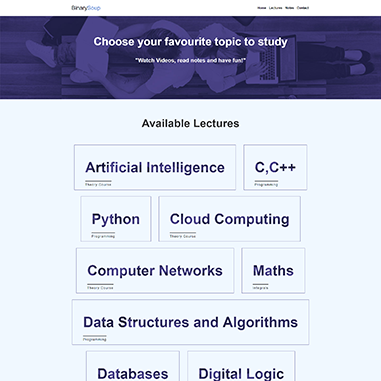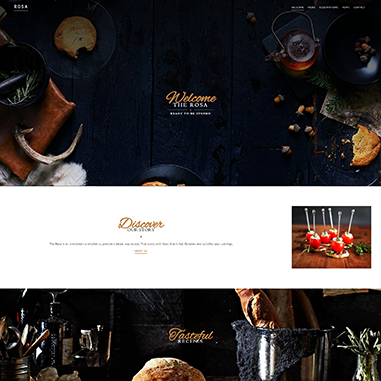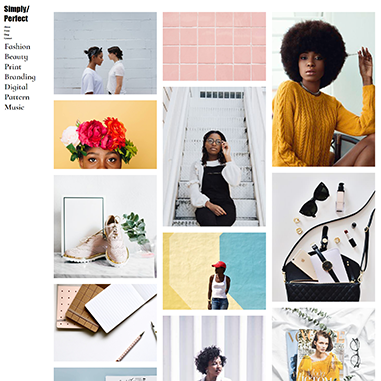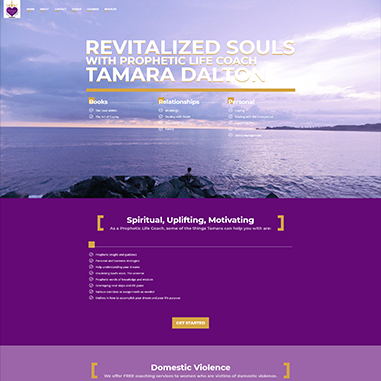
When people land on your website, they’re making decisions in seconds.
Does this business seem legit?
Is this site easy to use?
Can I trust what I’m seeing?
Your website may be their first impression of your brand—and in many cases, it’s also your best chance to build a connection. That’s why web design isn’t just about looking nice. It’s about creating a digital experience that builds trust, guides users, and supports your business goals.
At Blue Shift Web Services, we design with intention. In this post, we’ll break down what makes for effective modern web design, and why it matters more than ever.
First Impressions Happen Fast
Research shows users form an opinion about your website in less than a second. That impression impacts how they perceive your credibility, professionalism, and value.
Even if you offer incredible products or services, a dated or clunky website can send potential customers running.
A clean, intuitive, and well-structured design tells users:
-
You’re professional
-
You care about their experience
-
You’re trustworthy
Web design is about visual language—and people know the difference between a modern site and one that hasn’t been updated in years.
Core Principles of Effective Web Design
Whether you’re starting from scratch or refreshing your existing site, strong design follows a few key principles:
1. Clarity Above All
Visitors should immediately understand:
-
What you do
-
Who you help
-
What action they should take next
Clear messaging, readable fonts, and an uncluttered layout go a long way in keeping people engaged.
2. Consistent Branding
From your logo and color palette to tone of voice and imagery, your brand should feel unified. A consistent look builds recognition and trust, especially if users are finding you through multiple channels (ads, social media, search, etc.).
3. Mobile Responsiveness
Over half of all web traffic comes from mobile devices. If your site isn’t responsive—meaning it adapts seamlessly to any screen size—you’re losing visitors and damaging your SEO.
4. Fast Load Times
People won’t wait for slow pages. Optimizing images, using clean code, and choosing the right hosting environment can drastically improve your site’s speed and performance.
5. Strategic CTAs
A strong call-to-action (CTA) guides your visitors. Whether it’s “Get a Quote,” “Book a Call,” or “Shop Now,” your CTAs should be easy to spot and action-driven.
How Design Impacts SEO, Ads, and Conversions
Design isn’t separate from your other marketing efforts—it enhances them.
-
A well-designed site increases the quality score of your Google Ads, which can lower your cost per click.
-
Clean layouts and clear copy improve conversion rates from traffic you’re already getting.
-
Google favors sites that are mobile-friendly, fast, and easy to navigate, which are all design-driven factors.
Your website is the foundation for everything you do online. For more on that, check out our post on why web design is the central hub of your online presence.
Common Web Design Mistakes to Avoid
Even well-meaning sites can fall into traps that turn users away. Watch out for:
-
Walls of text with no visual breaks
-
Confusing navigation or broken links
-
Outdated styles or flash-based content
-
Lack of mobile optimization
-
Popups that interrupt the user experience
If your site hasn’t been refreshed in a few years, it might be time to take a closer look.
Final Thoughts: Design for Trust, Design for Growth
At its best, your website should reflect the confidence and clarity of your brand. It should guide users, encourage action, and feel effortless to navigate. That’s not just good design—it’s smart business.
Whether you’re looking to redesign your site, launch something new, or tighten up your existing brand presence, we’re here to help.
Let’s build something that works beautifully—and builds trust from the first click.